How to Source High-Quality Rolling Papers from China
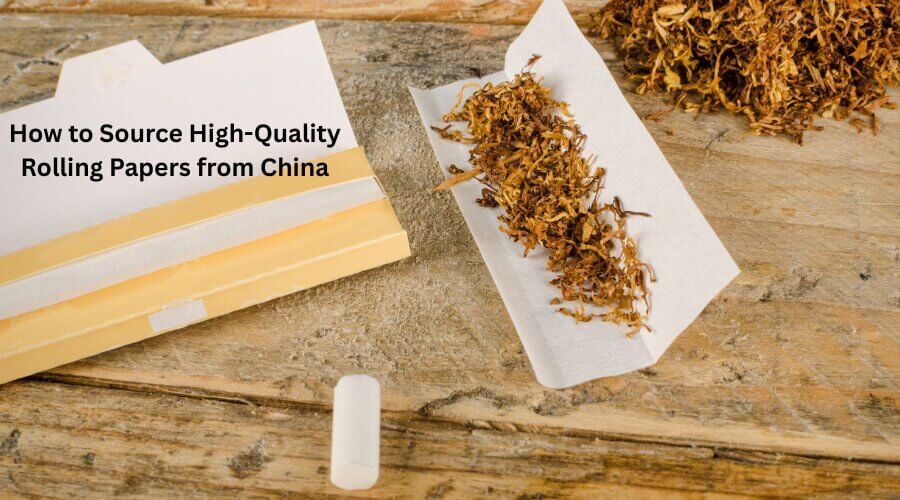
Do you want to create a brand of custom rolling paper or add more custom products to your wholesale repertoire? The choice of the manufacturer is a key consideration. China is one of the main suppliers of rolling papers, providing good prices, high-tech production, and customization options. Many businesses, including established brands and startups, throughout the world are turning to Chinese manufacturers to manufacture quality rolling papers on a large scale.
But the key to sourcing is not simply to get the lowest price. The real power comes from having a supplier that provides consistently high-quality products, excellent communication,, and an understanding of your business goals. Poorly designed low-cost products can end up costing more.
This guide will give you the essential steps to ensure that you can confidently purchase top-notch rolling papers from China.
Why China Is a Popular Choice for Rolling Paper Manufacturing
China has spent years building a strong manufacturing industry, and the
rolling paper market is no exception. Many factories invest in modern production equipment, experienced workers, and efficient quality control systems that allow them to produce large volumes without sacrificing consistency.
For buyers, this means access to:
- Affordable wholesale pricing
- Large production capacity
- OEM and private-label manufacturing
- Custom printing and packaging
- Reliable export experience
- Flexible product customization
Whether you're placing your first order or ordering hundreds of thousands of booklets, you'll find suppliers that can scale production as your business grows.
Start by Knowing Exactly What You Need
A common mistake among new buyers is contacting suppliers without clearly defined product requirements.
Before requesting quotes, take some time to define exactly what you're looking for. Think about details such as:
- Paper material
- Paper size
- Paper thickness
- Burn speed
- Rolling paper color
- Adhesive type
- Packaging design
- Private label branding
- Expected order quantity
The more specific you are, the easier it becomes for manufacturers to provide accurate pricing and recommendations.
Choose the Right Rolling Paper Material
Rolling papers are made from various materials, each offering a distinct user experience.
Hemp Rolling Papers
Hemp papers are increasingly popular due to their slow burn, natural appearance, and appeal to customers seeking eco-friendly products.
Rice Rolling Papers
Rice papers are extremely thin and produce minimal paper flavor, making them a preferred choice for those seeking a cleaner smoking experience.
Wood Pulp Rolling Papers
Wood pulp is a classic option. Advances in manufacturing have improved its performance, making it an affordable and reliable choice for many brands.
Flax Rolling Papers
Flax papers balance durability with smooth burning, making them suitable for premium product lines.
Select materials based on your target audience and desired brand positioning.
Work with an Experienced Manufacturer
Not every paper factory specializes in rolling papers. It's always worth looking for manufacturers with proven experience in this specific industry.
Experienced suppliers usually understand:
- International quality standards
- Export requirements
- Product consistency
- Private-label production
- Custom packaging
- Large-volume manufacturing
Ask potential suppliers how long they've been producing rolling papers and which countries they regularly export to. Their experience can make the entire sourcing process much smoother.
Never Skip Product Samples
Ordering samples before committing to a large purchase is one of the smartest decisions you can make.
When testing samples, pay attention to more than just appearance. Ask yourself questions like:
- Does the paper feel smooth and consistent?
- Is it easy to roll?
- Does it tear too easily?
- Does it burn evenly?
- Does the adhesive seal properly?
A quality rolling paper should deliver a consistent experience from beginning to end. Taking the time to test samples now can help you avoid expensive mistakes later.
Look Beyond the Lowest Price
It's tempting to choose the supplier offering the cheapest quote, but pricing doesn't always tell the full story.
Instead of comparing only the unit price, consider the overall value. Ask yourself:
- Is the paper quality consistent?
- Does the supplier respond quickly?
- Are packaging options included?
- What happens if there's a quality issue?
- Can they handle future growth?
Paying slightly more for dependable quality often leads to happier customers and fewer problems down the road.
Check Quality Standards and Certifications
A professional manufacturer should be willing to share information about its production standards.
Depending on your market, ask about certifications such as:
- ISO Quality Management
- FSC-certified paper
- Food-grade production standards
- Environmental compliance
- Quality inspection procedures
While certifications do not guarantee perfection, they indicate adherence to recognized production practices.
Explore Private Label and Custom Branding
Customization is a major advantage of sourcing from China when building your own brand.
Many manufacturers provide comprehensive private-label services, enabling you to personalize nearly every aspect of your product.
Customization options often include:
- Custom booklet covers
- Printed logos
- Premium packaging
- Foil stamping
- Display boxes
- QR codes
- Retail-ready packaging
- Custom artwork
Good packaging does more than protect your product—it helps customers remember your brand.
Understand Minimum Order Quantities
Most factories have a minimum order quantity, often referred to as an MOQ. The exact number varies depending on the type of paper, printing requirements, and packaging style.
If you're just starting out, ask whether the supplier offers smaller trial runs. Many manufacturers are willing to work with growing businesses before moving to larger production volumes.
Verify the Factory Before Placing Large Orders
Whenever possible, verify that the manufacturer is capable of producing what they promise.
This can be done by:
- Requesting factory photos and videos
- Scheduling a virtual factory tour
- Hiring a third-party inspection company
- Visiting the factory in person if practical
A small investment in verification can prevent much bigger problems later.
Build Strong Communication from the Beginning
Good communication is often the difference between a successful order and a frustrating one.
A reliable supplier should answer questions clearly, provide production updates, and notify you if any issues arise.
Keep written records of:
- Product specifications
- Packaging designs
- Delivery schedules
- Payment terms
- Shipping instructions
- Quality expectations
Having everything documented helps prevent misunderstandings and keeps both sides on the same page.
Plan Your Shipping Strategy
Shipping plays a big role in both costs and delivery times.
Here are the most common options:
Sea Freight
Sea freight is the most economical choice for large wholesale orders. Although transit times are longer, it's usually the best option for keeping shipping costs low.
Air Freight
Air freight is much faster but also more expensive. It's often used for urgent shipments or product launches.
Express Courier
For samples or small orders, express shipping offers speed and convenience.
Working with an experienced freight forwarder can make customs clearance and logistics much easier.
Avoid These Common Sourcing Mistakes
Even experienced buyers occasionally make mistakes, but many problems can be avoided with careful planning.
Some common pitfalls include:
- Choosing suppliers based only on price
- Skipping sample testing
- Ignoring product inspections
- Not verifying certifications
- Providing unclear product specifications
- Rushing production timelines
- Overlooking packaging quality
Taking a little extra time during the sourcing process can save you significant money and stress later.
Think Long-Term, Not Just One Order
Finding a reliable supplier isn't just about completing one purchase—it's about building a partnership.
As trust grows, manufacturers often offer:
- Better pricing
- Faster production
- Priority scheduling
- Easier product development
- More flexible customization
- Consistent quality
Long-term relationships benefit both parties and streamline future orders.
Conclusion
It's easy to find high-quality Chinese rolling papers. Do not just look for the cheapest option; instead, choose a reputable manufacturer, have clear communication, and deal in quality.
It is essential to establish your needs for a product, ask for samples, check the factory capabilities and ensure you have sound quality control from start to finish. Take advantage of customization potential in China to develop packaging and products that will represent your brand if you decide to create a private label brand.
Having the right supplier means having a reliable partner that will help you grow as your brand grows. By taking the time to choose the right factory, you can position yourself to provide high-quality rolling papers, fostering customer loyalty and satisfaction.